
Home
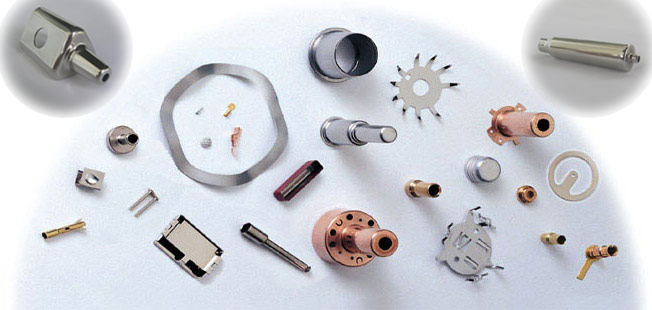
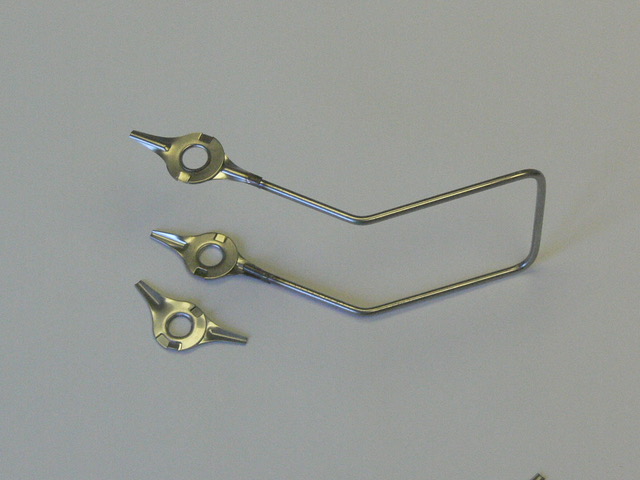
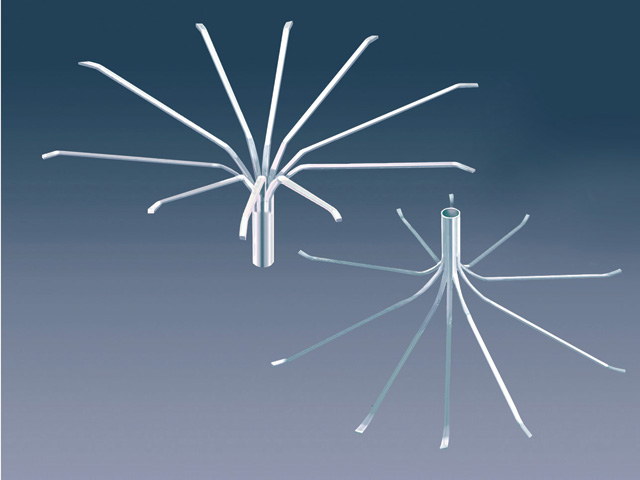
Evans Technology produces deep drawn, progressive and flat stampings in refractory and common metals. Lengths range from 0.030” to 13.5”, with O.D.’s from .015” to 14.000” and walls as thin as 0.003”. Drawn pieces can be as much as 1.500” deep.
From prototypes to millions of pieces, our production facilities are capable of tight tolerances at high speeds, using multi-station progressive and transfer machines, as well as stamping presses from 3 to 45 tons and hydraulic presses to 100 tons.
A complete in-house tool room permits rapid prototyping and production tool development. We can provide in-house engineering as well as production.
Stamped and deep drawn metal parts are from .030″ to 13.5″ diameter and up to 1.5″ deep.
Come visit our booth at these 2026 Design2Part shows!
Atlanta, GA / Cobb Galleria Centre | March 10 & 11
Irving, TX / Irving Convention Center | April 1 & 2
Secaucus, NJ / Meadowlands Exposition Center | April 22 & 23
Greenville, SC / Greenville Convention Center | Sept. 16 & 17
Marlborough, MA / Royal Plaza Trade Center | Sept. 30 & Oct. 1
Cincinnati, OH / Duke Energy Convention Center | October 28 & 29
Oaks, PA / Greater Philadelphia Expo Center | November 18 & 19
We can help with your next project —
from design to finished production.
Click here to request a free sample box
From the D2P Trade Show
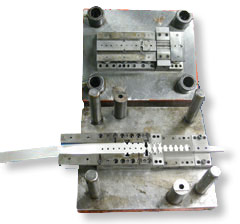
Tooling in Stock
We have tooling for more than 5000 deep drawn stampings, all in different sizes and shapes. We may very well have the tooling to make your part, or we may have tooling that can be adapted for your part. Either solution gives you considerable savings. Click here to learn more.